Skip to content
Working for Wildlife

Working for Wildlife

The home of Britain's Working Conservationists

Menu

  • Home
  • Free Downloads
  • Case Studies
    • Lowland Case Studies
    • Upland Case Studies
    • International Case Studies
    • Buy the Books
    • Videos
  • Advice
  • About
    • Why “Working for Wildlife”?
    • Our Mission
    • Our Principles
  • Support Us
  • Shop
  • Sign Pledge

Bees

Bee inspired by Tony’s ‘starter homes’ for bees

Bee inspired by Tony’s ‘starter homes’ for bees
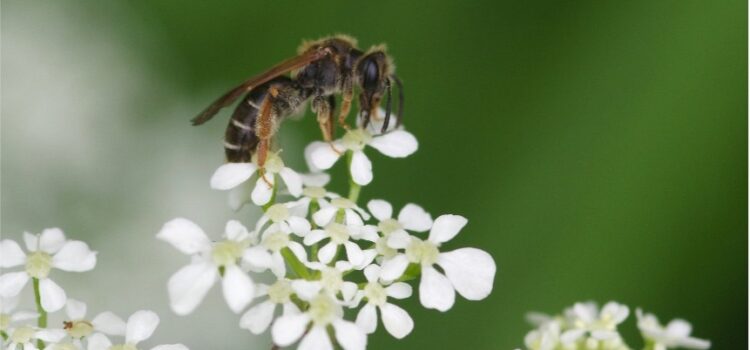
This week is Solitary Bee Week which aims to raise awareness of solitary bees and their vital importance to pollination. 90% of all bee species are solitary, and many of them are much better pollinators than their better-known bumble and honeybee cousins.

Working for Wildlife Staff 29 June 202229 June 2022 Blogs No Comments Read more

BEESPOKE: Solitary bees of the United Kingdom

BEESPOKE: Solitary bees of the United Kingdom

Solitary bees are often overlooked in the world of bees, with bumblebees and honeybees being much more familiar to most people. In fact, 90% of the UK’s bee species are actually solitary bees, with around 250 solitary bee species, only 24 bumblebee species, and just one honeybee species.

Working for Wildlife Staff 20 April 202220 April 2022 Blogs No Comments Read more

Nectar-robbing bees

Nectar-robbing bees

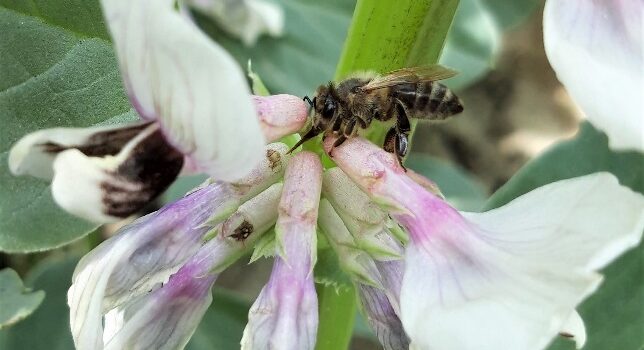
The BEESPOKE project aims to reverse the decline of pollinators and increase crop pollination on farms in the North Sea Region. Currently the project partners are working to develop bespoke seed mixes and habitat management guidelines to support pollinators on a wide range of crop types.

Working for Wildlife Staff 8 February 20228 February 2022 Blogs 1 Comment Read more

Contact Us

Email us at info@workingforwildlife.co.uk

Search

Supported By

Game & Wildlife Conservation Trust
Copyright © 2026 Working for Wildlife. All rights reserved. Theme: Spacious by ThemeGrill. Powered by: WordPress
  • Privacy Policy