Skip to content
Working for Wildlife

Working for Wildlife

The home of Britain's Working Conservationists

Menu

  • Home
  • Free Downloads
  • Case Studies
    • Lowland Case Studies
    • Upland Case Studies
    • International Case Studies
    • Buy the Books
    • Videos
  • Advice
  • About
    • Why “Working for Wildlife”?
    • Our Mission
    • Our Principles
  • Support Us
  • Shop
  • Sign Pledge

Birds

Investigating the effect of survey time on bird counts

Investigating the effect of survey time on bird counts
One of the first tasks when I started my role as Uplands Research Assistant was to investigate if there was a relationship between the start time of a transect and the number of sightings of meadow pipit, the most common insectivorous moorland bird and a key food of breeding merlin.

Working for Wildlife Staff 8 February 20228 February 2022 Blogs No Comments Read more

Merlin Magic fieldwork update

Merlin Magic fieldwork update

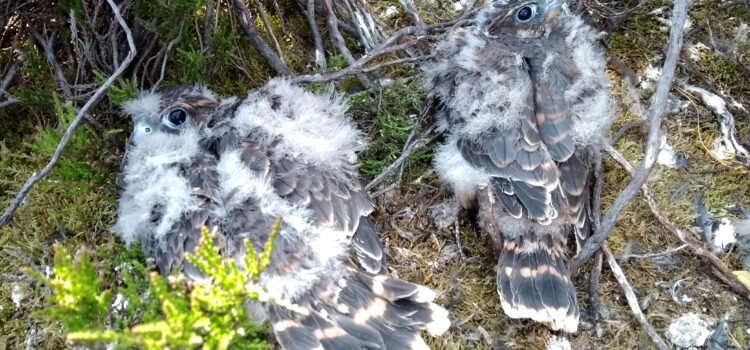
With the merlin gone for the winter, we have been busy in the uplands taking field measurements to understand what makes habitats suitable for nesting merlin.

Working for Wildlife Staff 2 February 20222 February 2022 Blogs Read more

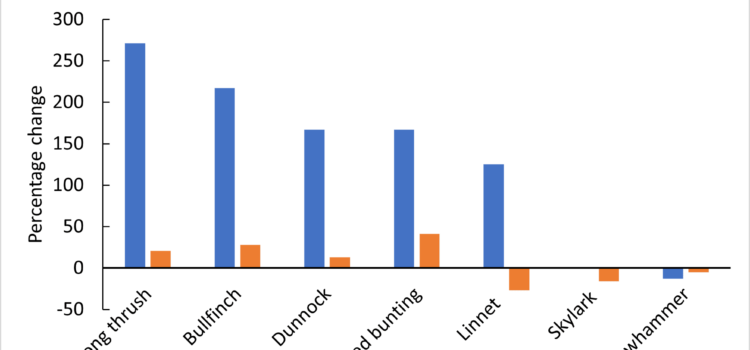
Songbird numbers at the Allerton Project up 191%

Songbird numbers at the Allerton Project up 191%

As farmers across the country focus their attention on the Big Farmland Bird Count it’s time to reflect on how songbird numbers on our own farm have changed since the Allerton Project started thirty years ago.

Working for Wildlife Staff 27 January 202228 January 2022 Blogs 1 Comment Read more

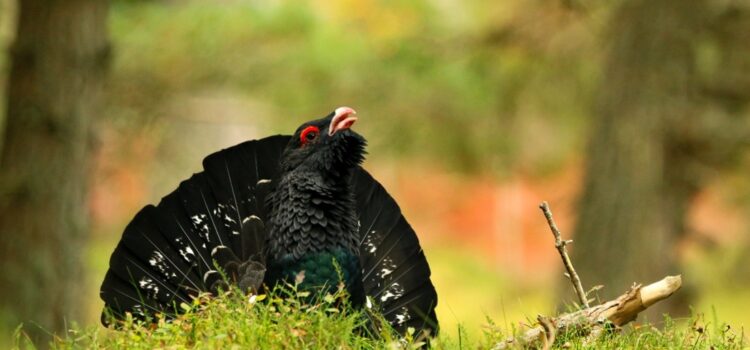
Working alongside the world’s largest grouse

Working alongside the world’s largest grouse

The capercaillie (Tetrao urogallus) is a truly magnificent species, one that almost seems too significant and primeval to occur in the small remaining pockets of Caledonian pine forests in the 21st century.

Working for Wildlife Staff 26 January 202226 January 2022 Blogs No Comments Read more

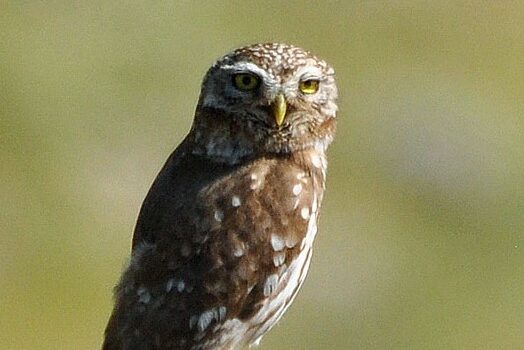
Species Profile: Little owl

Species Profile: Little owl

Although it is widely thought that the little owl is a native species, it is not, having been introduced to Britain from the continent in the 1800s. From then they quickly spread, and by the 1920s they could be found in Scotland and Wales.

Working for Wildlife Staff 6 January 2022 Species Profiles No Comments Read more

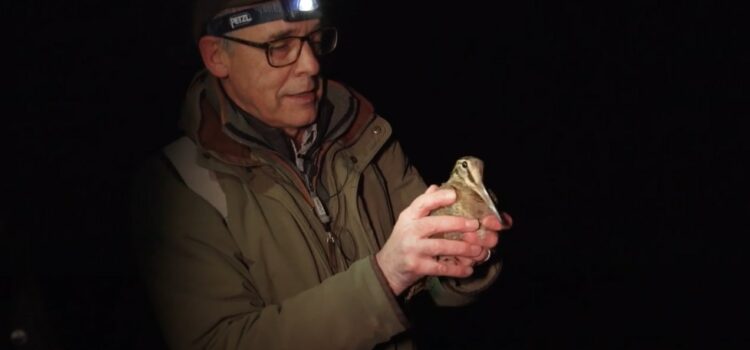
VIDEO: Woodcock ringing at night with Owen Williams

VIDEO: Woodcock ringing at night with Owen Williams

All bird ringing is conducted under licenses issued by the British Trust for Ornithology. Filmed by Ted Cornish, part funded by Welsh Government Green Recovery Fund.

Working for Wildlife Staff 21 December 202121 December 2021 Video Read more

This Christmas give the gift of nesting and brood rearing cover to grey partridges

This Christmas give the gift of nesting and brood rearing cover to grey partridges

The grey partridge’s annual appearance in festive carols and cards is a good reminder to make plans for habitat improvements to help this much-loved farmland bird throughout the year.

Working for Wildlife Staff 14 December 2021 News No Comments Read more

On a wing and a prayer – what we can do about bird declines

On a wing and a prayer – what we can do about bird declines

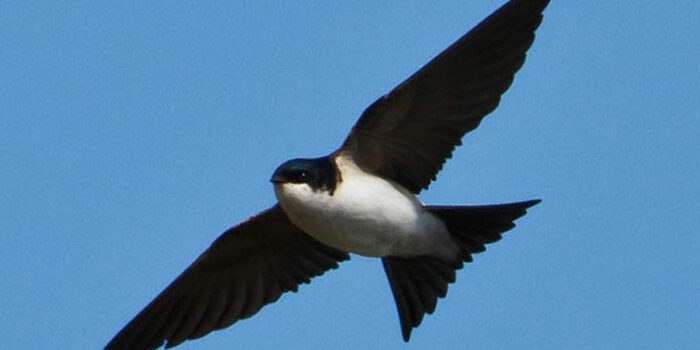
If you read the headlines around the recent Birds of Conservation Concern report, you’d have been rightly worried about the fate of many of our much-loved bird species. One group that is suffering more than most is aerial insectivores – birds that feed by capturing insects in flight, or ‘on the wing’ as it is more commonly known.

Working for Wildlife Staff 13 December 202113 December 2021 Blogs Read more

Happy Birthday Owl Box Initiative!

Happy Birthday Owl Box Initiative!

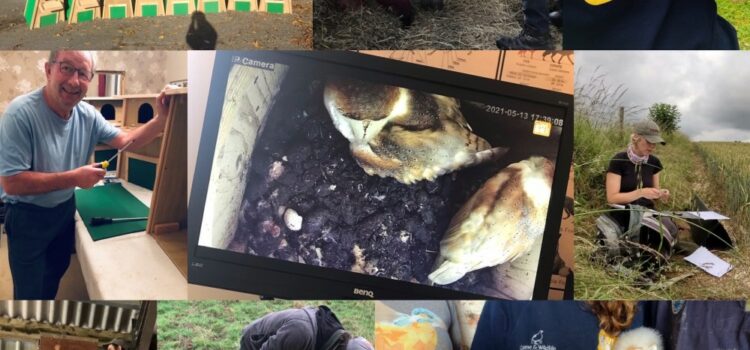
The Owl Box Initiative is delighted to be celebrating it’s one year anniversary and after a busy year for everyone involved, and particularly for the breeding barn owls across our study sites, we thought we would look back on an exciting year of conservation, monitoring and engagement.

Working for Wildlife Staff 10 December 202110 December 2021 Blogs Read more

“You can make a difference to wildlife” Big Farmland Bird Count organisers tell the UK’s land managers ahead of 2022 event

“You can make a difference to wildlife” Big Farmland Bird Count organisers tell the UK’s land managers ahead of 2022 event

The UK’s farmers, gamekeepers and land managers are being urged to get involved in the GWCT Big Farmland Bird Count from 4-20 February 2022, and make a crucial difference to wildlife.

Working for Wildlife Staff 2 December 20218 December 2021 News Read more
  • « Previous
  • Next »

Contact Us

Email us at info@workingforwildlife.co.uk

Search

Supported By

Game & Wildlife Conservation Trust
Copyright © 2026 Working for Wildlife. All rights reserved. Theme: Spacious by ThemeGrill. Powered by: WordPress
  • Privacy Policy